
LAZIO
Rome's monuments struggle as extreme heat tests tourism infrastructure
Civil protection teams deploy water cannons at Colosseum as temperatures near 40°C; authorities warn of mounting pressure on ancient sites
Davide Ruspoli388 wordsEdition №34Friday, 3 July 2026 — Edition № 34
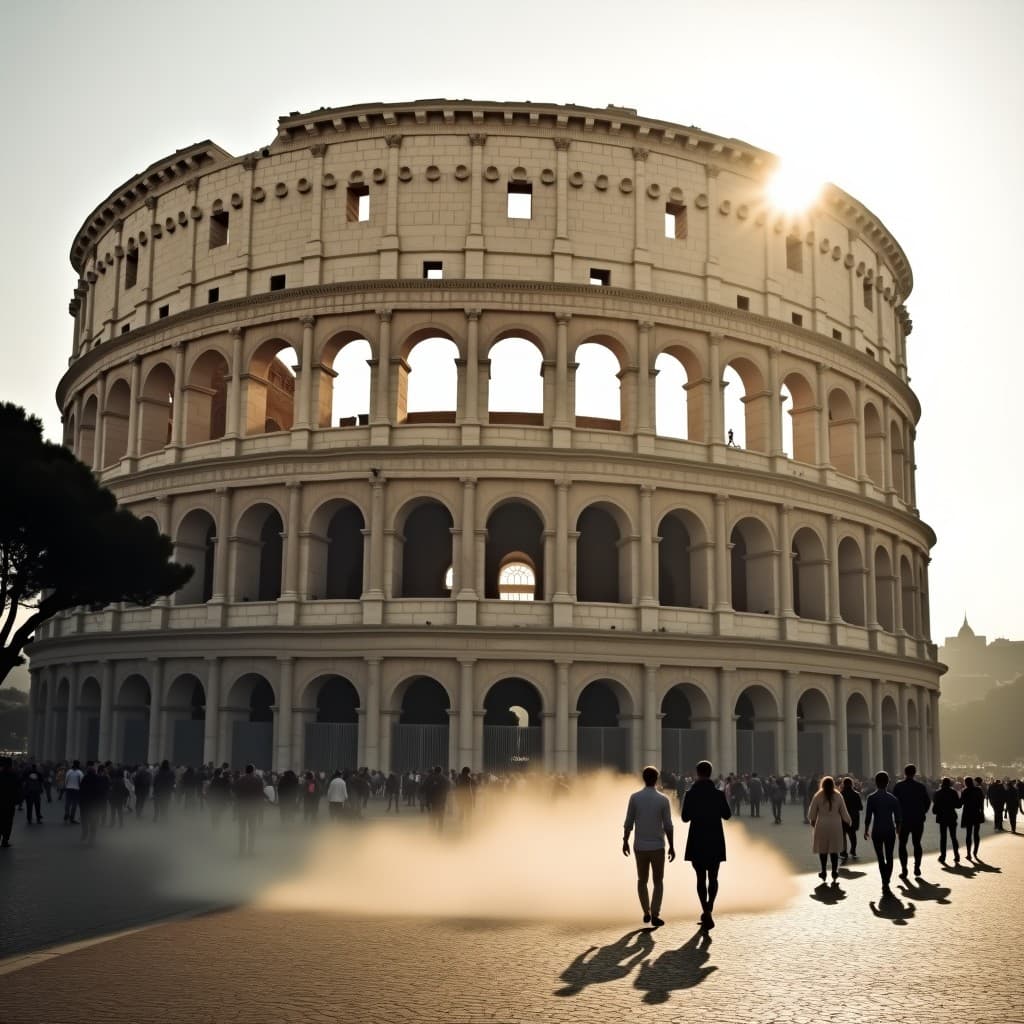
According to Euronews, water cannons and bottled water distribution became necessary at the Colosseum on Wednesday as temperatures approached 40 degrees Celsius. The measure reflects the mounting strain on Rome's ability to manage the flow of visitors to its most iconic monument during extreme weather. Al Jazeera reported that 22 Italian cities, including Rome, were placed under red heat warnings on Monday, with authorities warning that older people remain most at risk as excess deaths mount across Europe.
The emergency cooling at the Colosseum is symptomatic of a broader challenge facing Rome's tourism economy. The ancient amphitheater, which draws hundreds of thousands of visitors annually, was designed for Mediterranean climate conditions, not for the record-breaking temperatures now becoming routine. Civil protection teams' intervention suggests that passive management—shading, water fountains, standard safety protocols—is no longer sufficient to protect crowds from heat stress at major monuments.
Rome's tourism sector, a pillar of Lazio's economy, faces an emerging crisis as climate volatility tests infrastructure built for a different climate baseline. The heatwave compounds existing pressure on the city's monuments, which already face strain from mass tourism and deferred maintenance. Euronews's reporting highlighted how the emergency response at the Colosseum illustrates the gap between the city's global brand—timeless, eternal, stable—and the climate reality visitors now encounter.