
LIGURIA
Riviera tourism market tests off-season pricing as summer crowds peak
Local operators promote September travel to ease coastal congestion and extend revenue into autumn
Marina Doria420 wordsEdition №38Tuesday, 7 July 2026 — Edition № 38
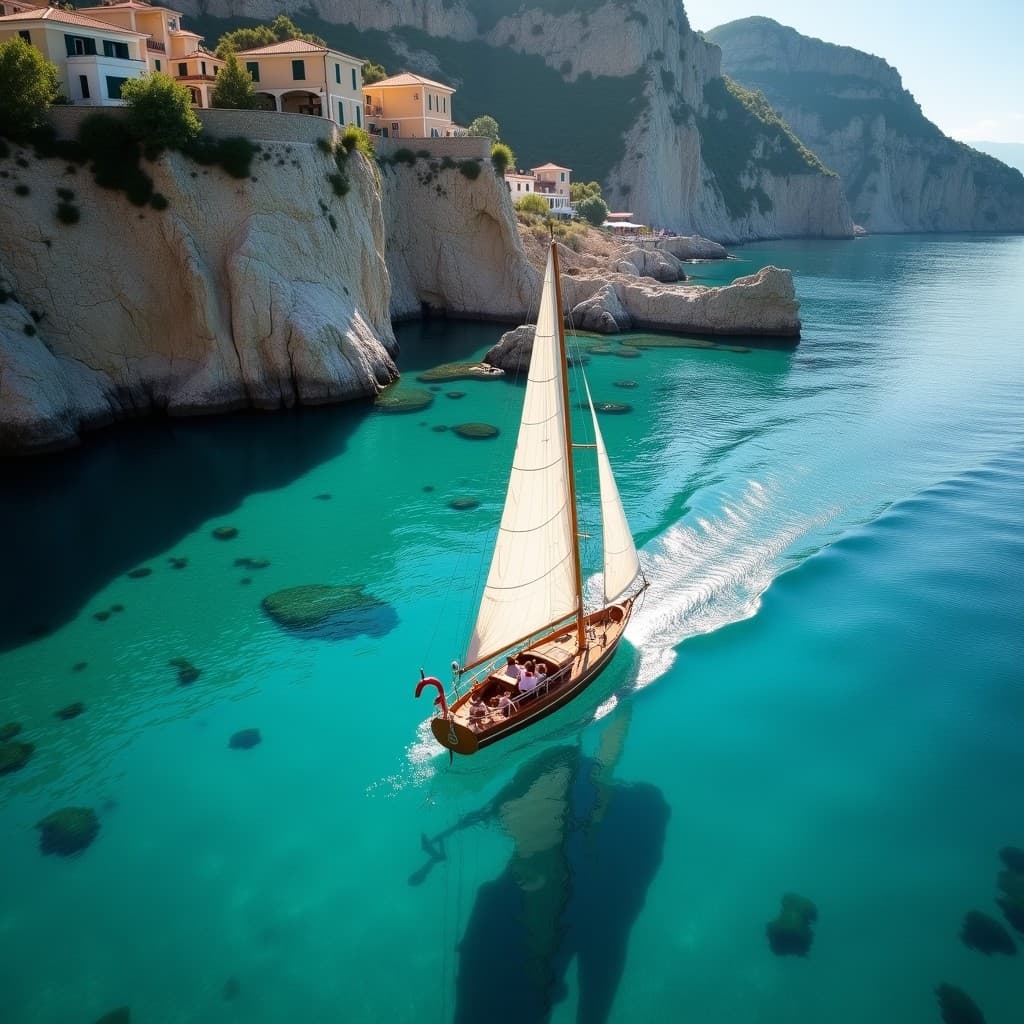
Local boat operators along the Amalfi Coast are actively promoting September as an alternative season for private tours from Sorrento to Capri, Positano and Amalfi, according to Business Insider. Sorriso Boat Tours and other skippers have begun highlighting the month as a 'best-kept secret' to attract travellers seeking to avoid the peak summer crowds that have strained coastal infrastructure and accommodation capacity throughout July and August. The marketing push reflects a deliberate effort by local tourism businesses to redistribute visitor flows and extend the revenue season into autumn, when weather remains favourable but congestion eases.
For Liguria's own Riviera resorts and boat operators, the Amalfi Coast's strategy offers a cautionary model and a potential playbook. The Mediterranean coast from Genoa to the French border has long grappled with similar overtourism pressures. Venice's day-tripper levy, implemented earlier this year, demonstrated the political feasibility of managing visitor flows through pricing. The Amalfi operators' shift toward September reflects a market-driven alternative: rather than restrict access, they are attempting to rebalance demand through off-season marketing. For Liguria's Cinque Terre, Portofino and Porto Venere—destinations already facing capacity constraints—such a strategy could ease pressure during peak months while capturing revenue from autumn travellers.
The timing also reflects broader European heatwave pressures. The Local reported this week that Europe experienced one of its most intense heatwaves on record in late June, and summer 2026 has brought record temperatures across the continent. September's milder climate may become a genuine draw for visitors fatigued by extreme heat in July and August. Boat operators and coastal resorts across the Mediterranean are beginning to recognize that climate volatility and overtourism may converge to make shoulder seasons commercially viable, shifting traditional summer-focused revenue models.