
PUGLIA
Puglia's migrant farm workers face lethal heat with no shelter
Southern Italy's agricultural heartland exposes labourers to extreme temperatures in sprawling shanty towns as Europe's heatwave deepens
Francesca Lazzari310 wordsEdition №31Tuesday, 30 June 2026 — Edition № 31
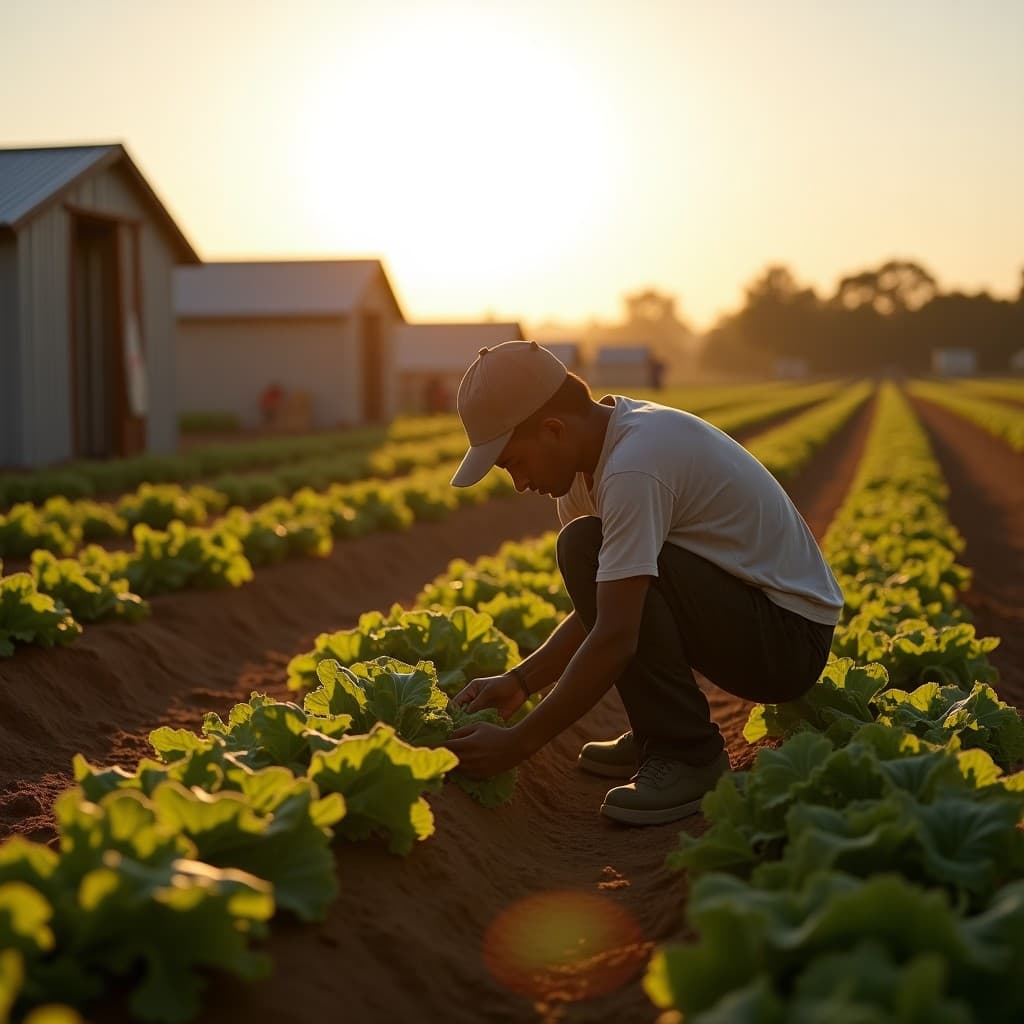
Farm labourers in Puglia are wilting under a heatwave that has transformed southern Italy into one of Europe's most dangerous work environments. The Local reported Friday that migrant workers toil in sun-scorched fields and return to corrugated iron shacks in sprawling shanty towns with no relief from the heat. The World Health Organisation confirmed Sunday that the continent's record-breaking heatwave has claimed more than 1,300 excess deaths since June 21, a toll that underscores the lethal stakes for those without adequate shelter or access to cooling.
Puglia's agricultural economy depends on these workers to harvest olives, vegetables and other crops that supply export markets across Europe and beyond. Yet the region's seasonal labour infrastructure—informal settlements that lack basic protections against extreme weather—leaves them uniquely exposed. The Guardian reported Saturday that Germany and Italy are sweltering under record temperatures as the weather system spreads across the continent, with no immediate relief forecast until midweek. The Local noted Monday that most of Italy remains under red alert as the heatwave persists, a designation that acknowledges the public health emergency unfolding in fields and shanty towns alike.
The crisis exposes a deeper fault line in southern Italy's farm economy: reliance on migrant labour in conditions that international labour standards would consider unsafe. As climate stress intensifies across the Mediterranean, Puglia's agricultural sector faces mounting pressure to either invest in worker protections—cooling stations, adequate housing, enforced rest periods—or face further scrutiny from European labour and health authorities. The immediate question is whether the region's employers and local government will treat the current heatwave as a one-off emergency or as a sign of the new normal that demands structural change.