OPINION
The pope at the frontier of conscience
Editorial Board295 wordsEdition №38Tuesday, 7 July 2026 — Edition № 38
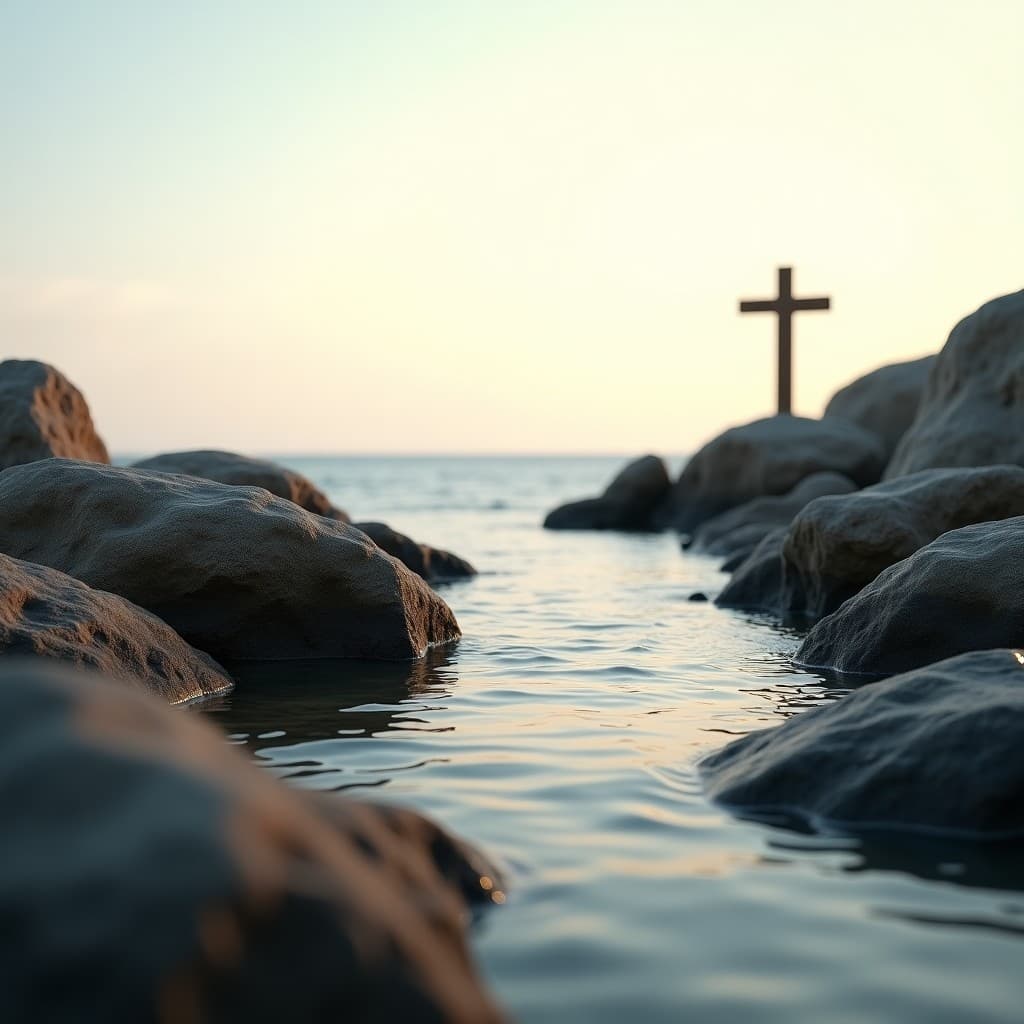
On the Fourth of July, while the United States marked its founding, Pope Leo spent the day on Lampedusa, the Sicilian island that has become the Mediterranean's gateway of last resort. According to France 24 and the BBC, he paid tribute to the tens of thousands who have died attempting the crossing from North Africa. The symbolism was deliberate: he chose to stand at the epicenter of Europe's migration debate on a day when another nation was celebrating its ideals of freedom and asylum. The message was not subtle, and it was not meant to be.
What makes this moment significant is not that the Pope disagrees with restrictive immigration policy — many do — but that he has positioned the Church as a voice willing to speak from the frontier itself, rather than from the safety of doctrine. The Guardian reports that he used his first major address to the United States to praise its historical welcome of immigrants and to urge Americans to live up to the ideals of the Declaration of Independence. This is moral witness deployed against the grain of contemporary politics, in which both the Trump administration and various European governments have made anti-migrant rhetoric a cornerstone of their appeal.
Simon Tisdall's recent column in the Guardian argues that in a world of amoral leadership — where major powers prioritize power over principle — the Pope stands as a rare figure of moral authority. Whether one agrees with his particular positions on migration, the underlying claim deserves consideration: that some institutions and individuals still attempt to speak to what is right, not merely what is expedient. Lampedusa is a graveyard. The Pope chose to pray there. In an age of managed optics and calculated gestures, that choice itself carries weight.