TRENTINO-ALTO ADIGE
Ancient Alpine microbes yield living yeast as Ötzi mummy opens new research frontier
Scientists bake sourdough from 5,300-year-old iceman's gut bacteria, reviving Bolzano's most famous resident as research subject.
Klara Hofer458 wordsEdition №31Tuesday, 30 June 2026 — Edition № 31
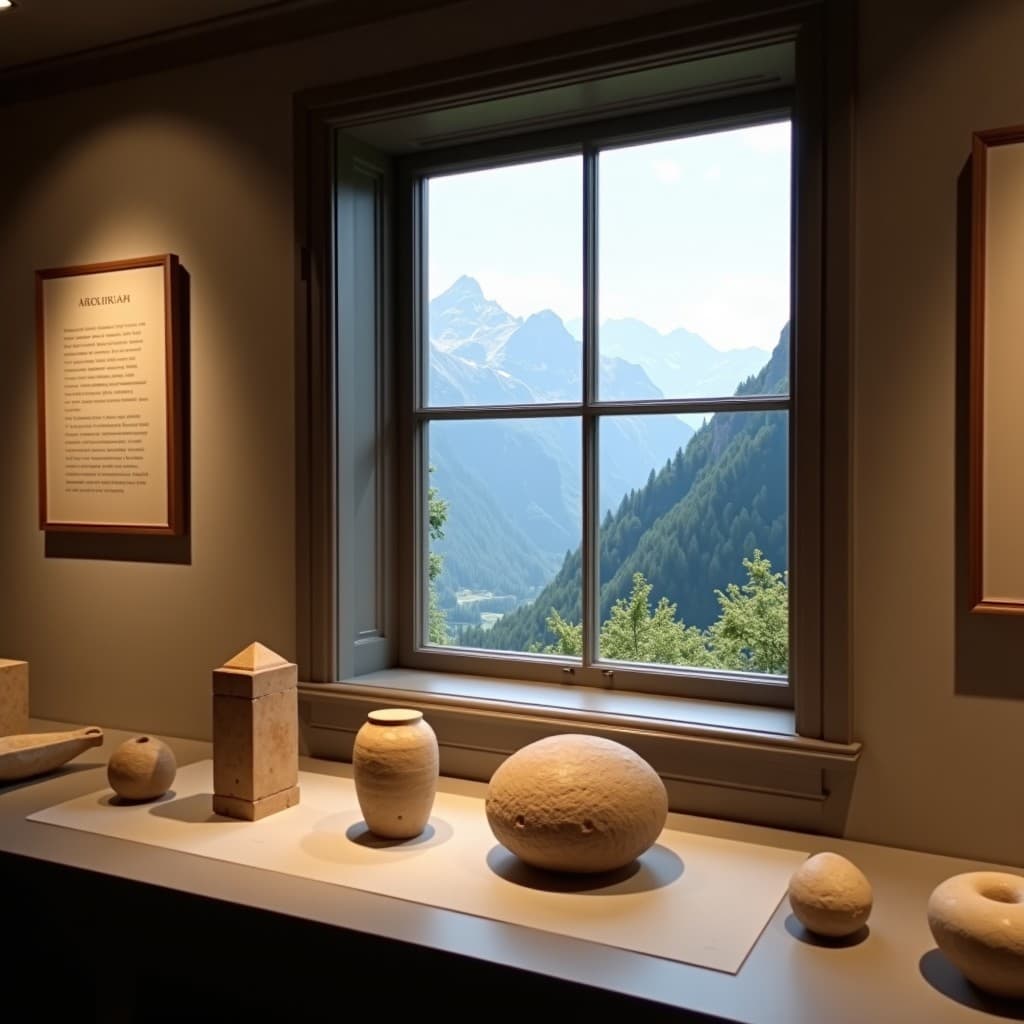
Scientists have baked sourdough bread using yeast found growing in the guts of Ötzi, the frozen mummy discovered in 1991 in the Italian Schnal Valley glacier, according to reporting from The Jerusalem Post. The iceman, who died around 3300 BCE, has been housed at the Archaeological Museum of Bolzano since his recovery and remains one of Europe's most studied archaeological specimens. The successful cultivation of living microbes from his preserved digestive system marks a new frontier in Alpine preservation science and underscores the museum's role as a centre for cutting-edge analysis of ancient human remains.
The microbial recovery demonstrates the extraordinary preservation conditions of the high Alps, where permafrost and low oxygen sealed Ötzi's body in a state that has allowed modern researchers to extract not only DNA but viable organisms. The yeast cultivation required careful laboratory technique to prevent contamination while coaxing dormant microbes back to metabolic activity. Baking sourdough with the recovered culture is both a practical validation of the microbes' viability and a symbolic gesture: it renders the ancient invisible visible, turning a five-millennia-old human's microbiome into bread that can be eaten and shared.
The work represents a shift in how Alpine archaeology engages with its most famous artefact. For decades, Ötzi studies focused on pathology, diet and material culture—the tattoos, the copper axe, the evidence of violence. The microbial work opens a different question: what can the living organisms that inhabited an ancient body tell us about prehistoric ecology, fermentation practices, and human adaptation to Alpine conditions. The Bolzano museum, which controls access to the mummy and coordinates international research, has positioned itself as a steward of this new investigative terrain.