OPINION
The Pope at the Frontier
Editorial Board356 wordsEdition №36Sunday, 5 July 2026 — Edition № 36
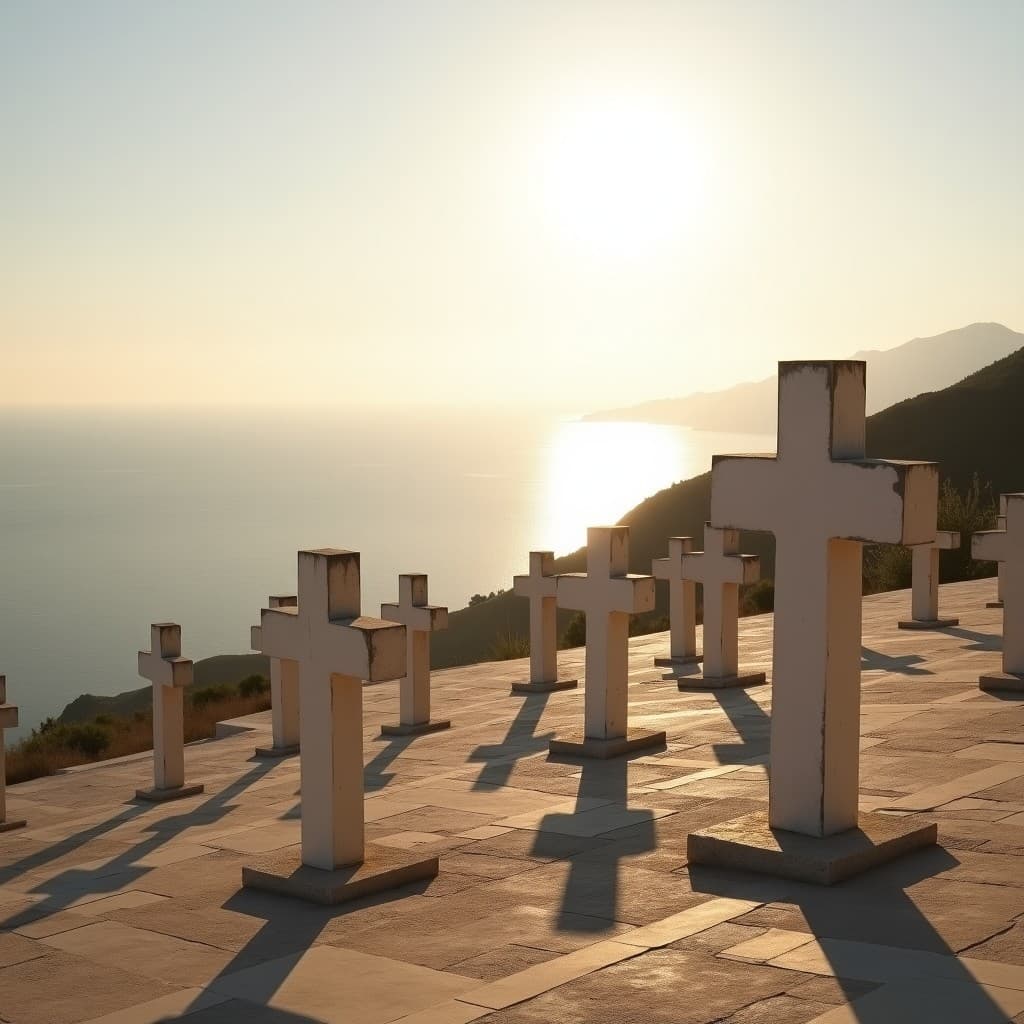
On Saturday, as Americans marked their nation's 250th birthday, Pope Leo stood in a migrant cemetery on Lampedusa—an island that has become the Mediterranean's most visible threshold between desperation and refuge. According to the BBC and France 24, the pontiff paid tribute to the tens of thousands who have died attempting the crossing from North Africa to Europe. The timing was deliberate. The Guardian reported that Leo used the occasion to praise the United States' historical tradition of welcoming immigrants, urging Americans to live up to the ideals of the Declaration of Independence—an implicit rebuke to the Trump administration's immigration crackdown.
The world's press understood what Leo was doing: he was placing the Church's moral authority not in Rome or the Vatican, but at the point of maximum human vulnerability. Lampedusa is where the Mediterranean migration debate is not abstract. It is where bodies wash ashore. The island sits at the intersection of three continents' movements—African departure, European arrival, American policy—and the Pope chose to be there on the day when one of those continents celebrated its founding mythology of refuge.
What makes this visit significant is not its symbolic value alone, but what it reveals about where institutional moral witness can still operate. Simon Tisdall, writing in the Guardian, argues that in an age when world leaders from Trump to Putin to Netanyahu have normalized the rejection of basic moral standards, Pope Leo remains 'a rare figure of moral leadership.' Whether one accepts Tisdall's full indictment of contemporary politics or not, his observation points to something the international press has noticed: the Pope has chosen a position—at the frontier, among the dead, speaking to the world's most powerful nation—that most other institutions have abandoned.
For Italy, the visit carries a particular weight. Lampedusa is Italian territory, and the island has borne the visible cost of Europe's migration policy for decades. The Pope's presence there, broadcast globally, reframes how the world sees not just the migrants, but the country that has become the Mediterranean's primary port of arrival. It is a reminder that Italy's role in this crisis is not merely administrative or logistical, but moral.