
UMBRIA
Mount Etna's lava lights Sicilian night as Europe's volcano stirs
Bright orange flows from Sicily's volcano underscore Italy's volatile geology and tourism challenge
Niccolò Mariani445 wordsEdition №33Thursday, 2 July 2026 — Edition № 33
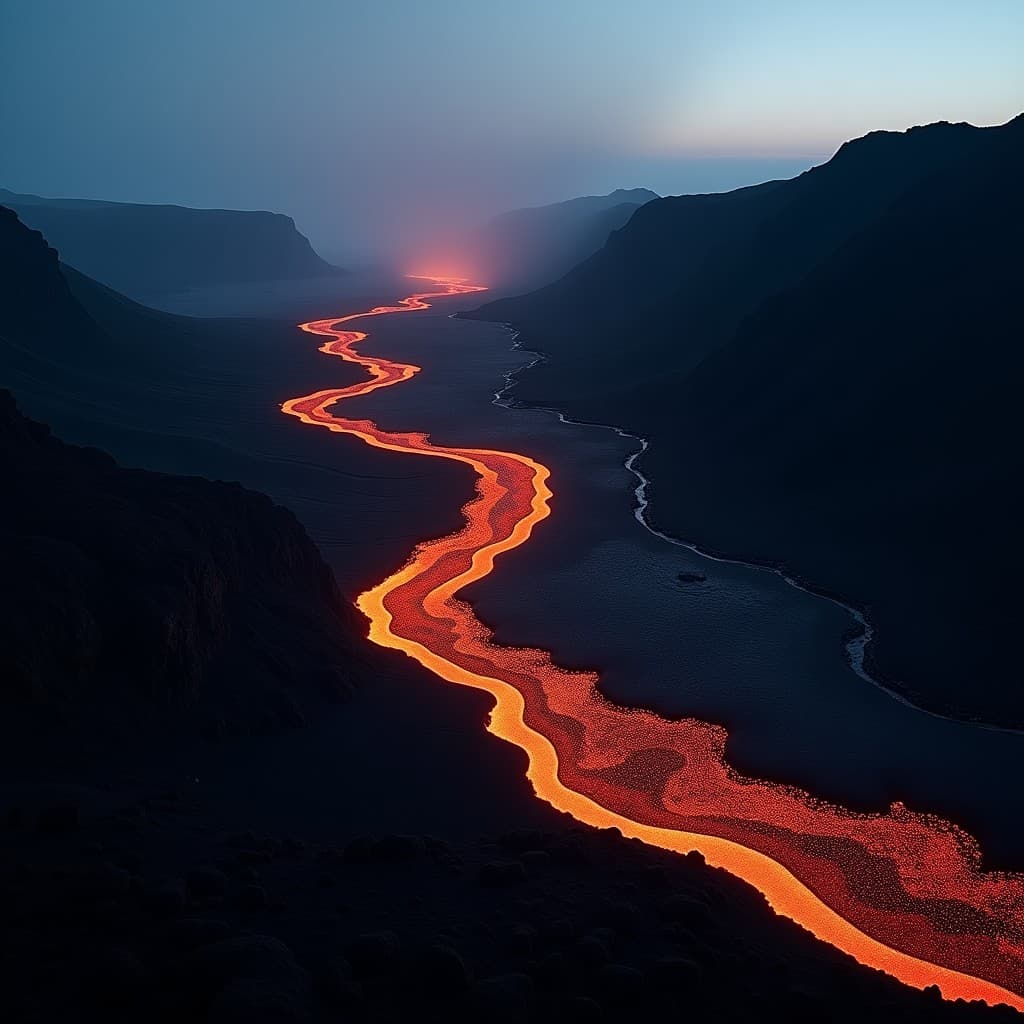
Mount Etna, Europe's largest active volcano, erupted on 29 June, with lava gushing from an eruptive vent at approximately 3,000 metres altitude. The Guardian reported that drone footage from the eruption captured thick orange lava snaking down the mountain's slopes, while the National Institute of Geophysics and Volcanology confirmed the activity. The BBC documented the same event, showing the bright orange trail of lava as it descended from the volcano.
Etna's eruptions are not uncommon—the volcano sits on Sicily's east coast and has been active throughout recorded history—but each event carries weight for the island's tourism infrastructure and for Italy's broader relationship with its volatile southern geography. Sicily draws hundreds of thousands of international visitors annually, many of whom travel to witness Etna's slopes and crater. The eruption's visibility, captured in drone footage and visible from populated areas below, serves as a reminder of the mountain's proximity to human settlement and the delicate balance between natural drama and public safety that defines the region.