
SARDEGNA
Etna's ash cloud disrupts southern travel as island tourism weighs the risk
Sicily's volcano forces airport closures; Sardinia's competing summer season watches the fallout
Gavino Sanna412 wordsEdition №38Tuesday, 7 July 2026 — Edition № 38
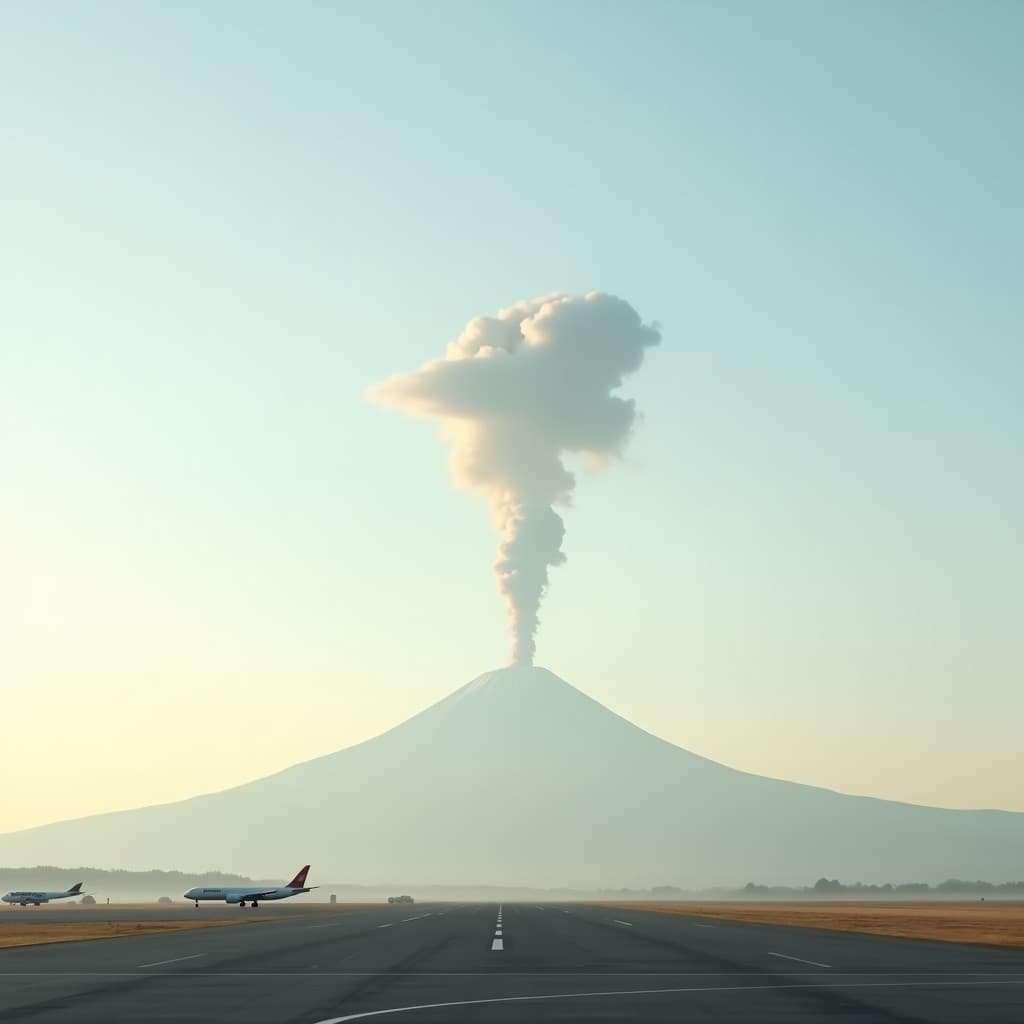
Mount Etna erupted on Monday, sending plumes of volcanic ash into the sky above eastern Sicily and forcing the closure of Catania airport through Tuesday, according to the Mirror. Dozens of flights were cancelled as ash blanketed the region, disrupting travel across the southern Mediterranean. The eruption underscores the unpredictability of the volcanic landscape that defines much of Italy's southern geography and its tourist economy.
For Sardinia, the immediate impact is less direct—the island lies west of Sicily, beyond the immediate ash dispersal—but the disruption carries a wider message about the precariousness of summer tourism on which both regions depend. Catania airport serves as a gateway to Sicily's coastal resorts and cultural sites; its closure for even two days fractures the delicate logistics of peak-season travel. Sardinia's own tourism infrastructure, from the Costa Smeralda's luxury resorts to the interior's rural tourism ventures, relies on the same fragile assumption: that transport and climate conditions will remain stable enough to move visitors reliably.
The eruption also arrives as Italy contends with a broader climate reckoning. Recent weeks have brought record heat across Europe and critical drought conditions to northern Italian waterways, according to foreign coverage. For island economies dependent on summer visitors and on the infrastructure—airports, roads, ferries—that connects them to mainland markets, such natural disruptions are no longer rare anomalies but recurring constraints on growth.