REGIONAL
Campania confronts child obesity crisis as southern Italy diverges from Mediterranean diet
More than 40% of eight and nine-year-olds in parts of the region are overweight, marking a striking reversal for Italy's historical dietary heritage
Rosaria Esposito391 wordsEdition №57Sunday, 26 July 2026 — Edition № 57
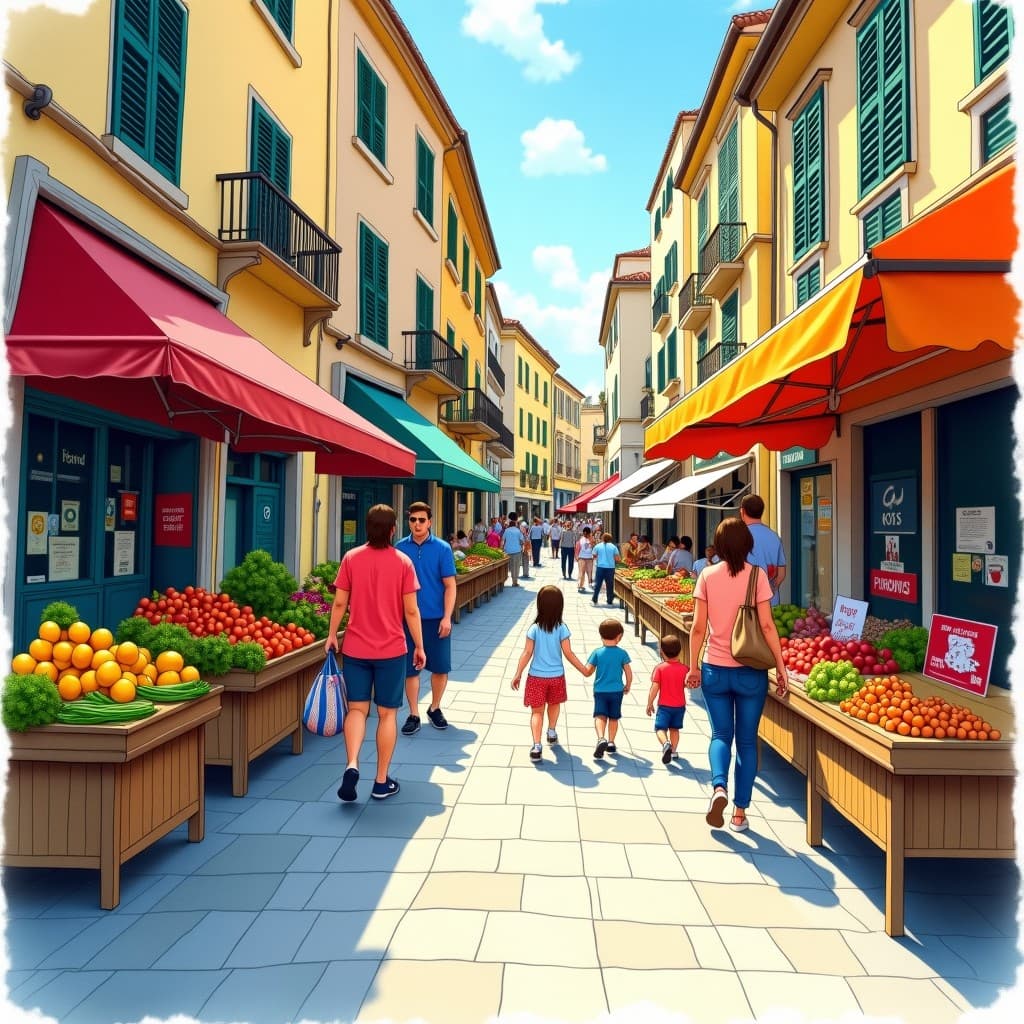
Campania is confronting a child obesity epidemic that stands in stark contrast to Italy's global reputation for culinary health and longevity. According to the BBC, the problem is particularly acute in the southern regions, with more than 40 per cent of eight and nine-year-olds in parts of Campania classified as overweight. The town of Ponticelli, on the outskirts of Naples, has acquired the distinction of being among the world's child obesity capitals—a troubling inversion of the region's historical identity as a cradle of the Mediterranean diet.
The crisis represents a rupture with Italy's postwar narrative of dietary virtue. The BBC's reporting frames the phenomenon as a striking development in a country once held up as a model of healthy eating. The shift has occurred within a single generation, suggesting rapid changes in food systems, economic pressures, and lifestyle patterns across southern Italian communities. Campania, with its large informal economy and persistent poverty in urban peripheries, has become emblematic of this reversal—a region where the legacy of Mediterranean cuisine coexists uneasily with the arrival of processed foods and sedentary living.
The regional concentration of the problem underscores the North-South divide that structures Italian public health and social outcomes. Campania's particular vulnerability reflects both demographic factors—the region has younger population cohorts than much of the North—and economic realities that shape food access and family time. The BBC's international framing of Ponticelli as an obesity capital carries implicit questions about inequality, food security, and the gap between Italy's cultural image and the lived experience of its poorest communities.