
ABRUZZO
American migrants reverse decades of Abruzzo abandonment with dollar-cheap homes
New York couple buys cottage for $13,000, signaling shift as remote work reshapes mountain depopulation
Marco Di Sante698 wordsEdition №31Tuesday, 30 June 2026 — Edition № 31
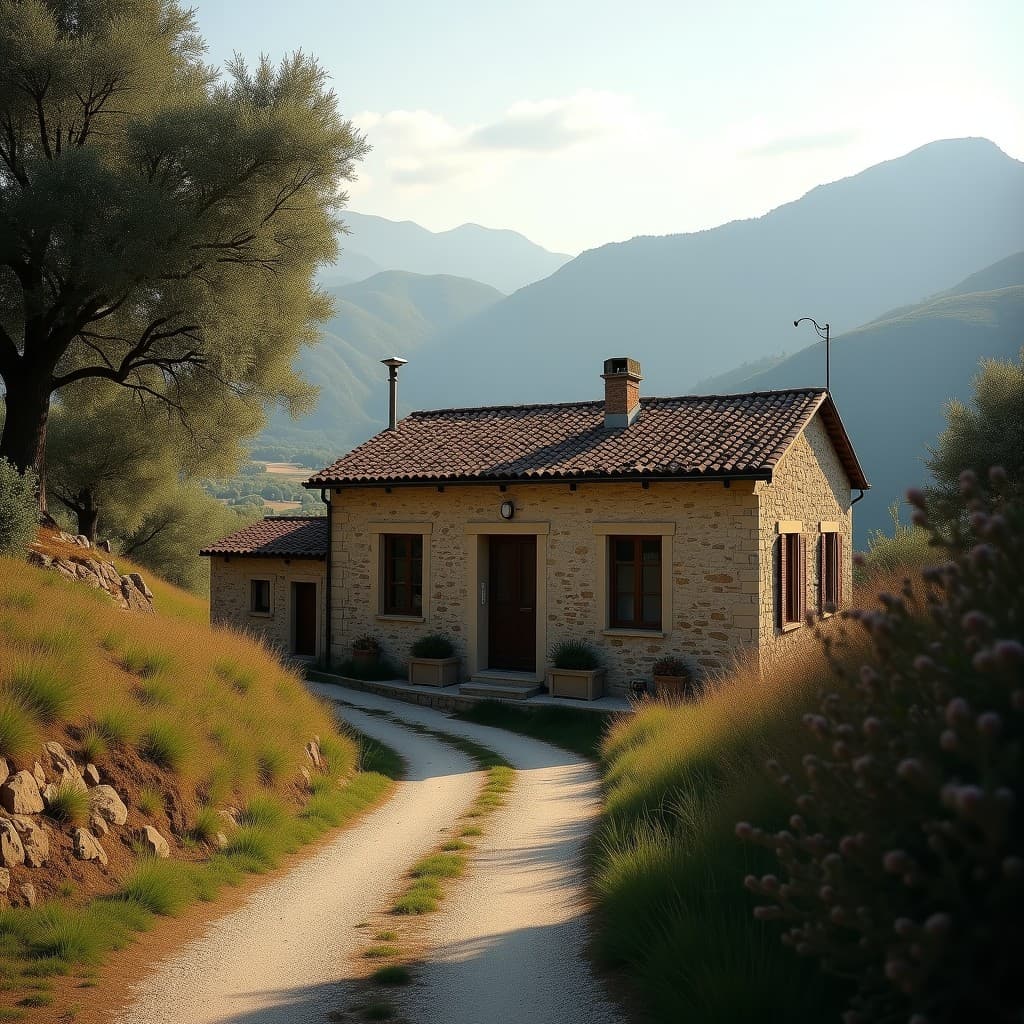
Cassandra Tresl and her husband Alex Ninman left New York City and purchased a home in Abruzzo for about $13,100 in cash, then spent another $17,100 renovating it, according to CNBC. The couple, who relocated after their daughter was born in 2020, chose rural Abruzzo specifically for the lower cost of living, slower pace of life, and what Tresl described to CNBC as the ability to afford raising a child without the financial pressure that New York imposed. The move represents a reversal of the decades-long pattern of emigration that has hollowed out Abruzzo's interior, particularly its smaller towns and villages.
Abruzzo's population has fallen steadily for forty years as young people and working-age families departed for the coasts and the industrial north. The region's interior—the high Apennine valleys and hill villages—has been hit hardest, with entire hamlets aging into near-emptiness. The arrival of American remote workers with dollar-denominated savings marks a new chapter in the region's demographic crisis. Where Italian youth fled poverty and limited opportunity, foreign migrants are arriving to exploit the very cheapness that drove Italians away. The calculus has shifted: a house that no Italian family could afford to renovate now attracts buyers from abroad willing to invest in restoration and long-term residence.
The phenomenon is not limited to Abruzzo, but the region's combination of cheap property, proximity to Rome, and scenic mountain landscape has made it particularly attractive. CNBC noted that Tresl and her family now live in a small town where daily costs remain far below American levels. The influx of foreign capital into rural property markets could, over time, arrest some of the depopulation that has marked the region for decades. But it also raises questions about who will ultimately benefit from the revival—whether restored villages will serve the needs of local communities or become enclaves for international remote workers, and whether the arrival of foreign families signals a genuine reversal of abandonment or merely a shift in who inhabits Abruzzo's emptying spaces.